
Opening
Can someone who is heading in the wrong direction change completely? Saint Paul shows that the answer is yes. Real change, however, is more than a strong feeling; it means learning again, making amends, and living differently each day.
The story
Before he was called Paul, his name was Saul. He was born in Tarsus, studied Jewish law, and believed that the followers of Jesus were dangerous. Saul took part in persecuting Christians and set out for Damascus to arrest them.
Acts says that on the road a bright light knocked Saul down and he heard the risen Jesus call him. Saul was blind for a time. A disciple named Ananias was initially afraid of him, but obeyed God, visited him, prayed with him, and welcomed him. Saul was baptized. The very community he had harmed helped him begin a new life.
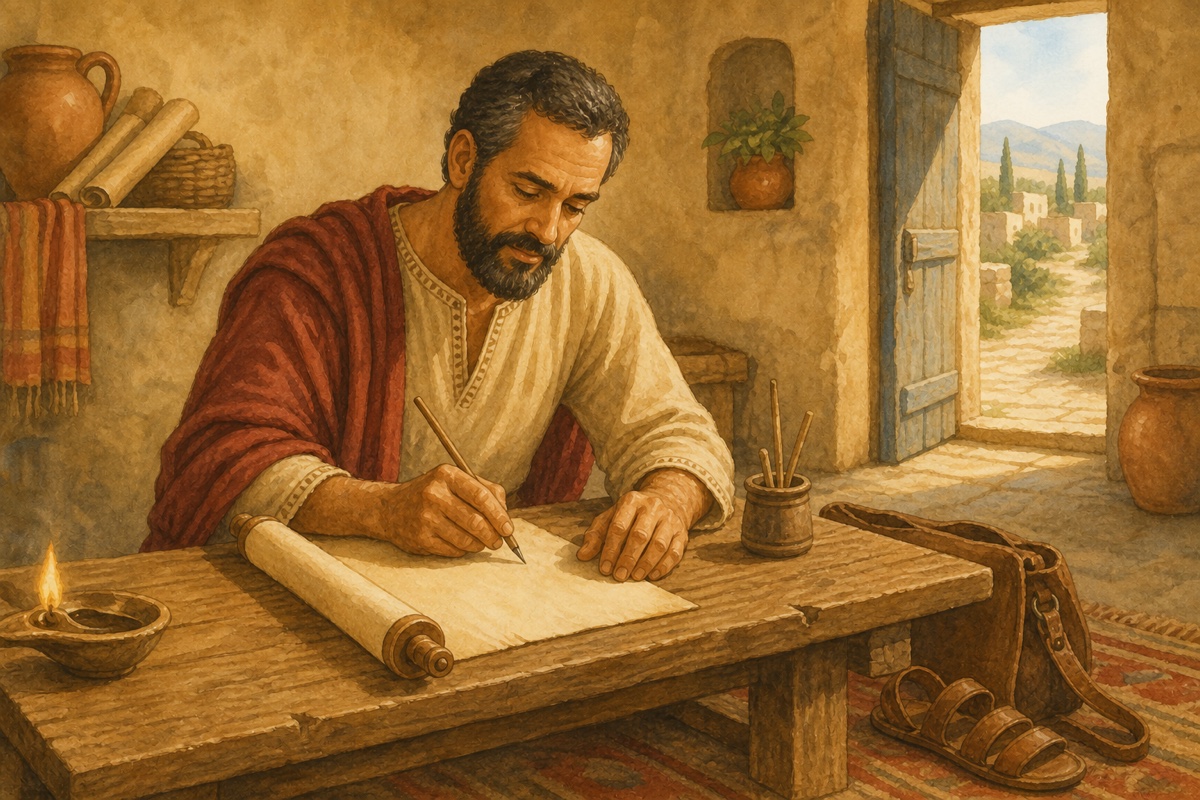
Paul then traveled through many cities, spoke about Jesus, founded communities, and wrote letters to encourage them. He faced opposition, imprisonment, illness, and dangerous journeys but continued his mission. Acts ends while Paul is under house arrest in Rome and does not tell how he died. Ancient Christian tradition says that he was martyred in Rome. The Church celebrates his conversion on January 25 and honors him with Saint Peter on June 29.
Suggested reading: Acts 9:1-22; Acts 13-28 and Galatians 1:11-24. Notice the people who helped Paul change.
Virtue
Paul did not let his past determine his entire future. He humbly recognized that he was wrong, accepted help, and used his abilities to serve what is good.
Is there an opinion or habit you need to reconsider because it is hurting someone else?
Today's action
Choose something you may have judged too quickly. Listen to the person involved, seek more facts, and change your behavior if you discover that you were wrong.
Prayer
Lord Jesus, open the eyes of my heart. Help me recognize what is wrong, change humbly, and use my gifts to serve the Gospel. Amen.
References
Path progress
Saint Paul: A life redirected
Sign in to sync this progress